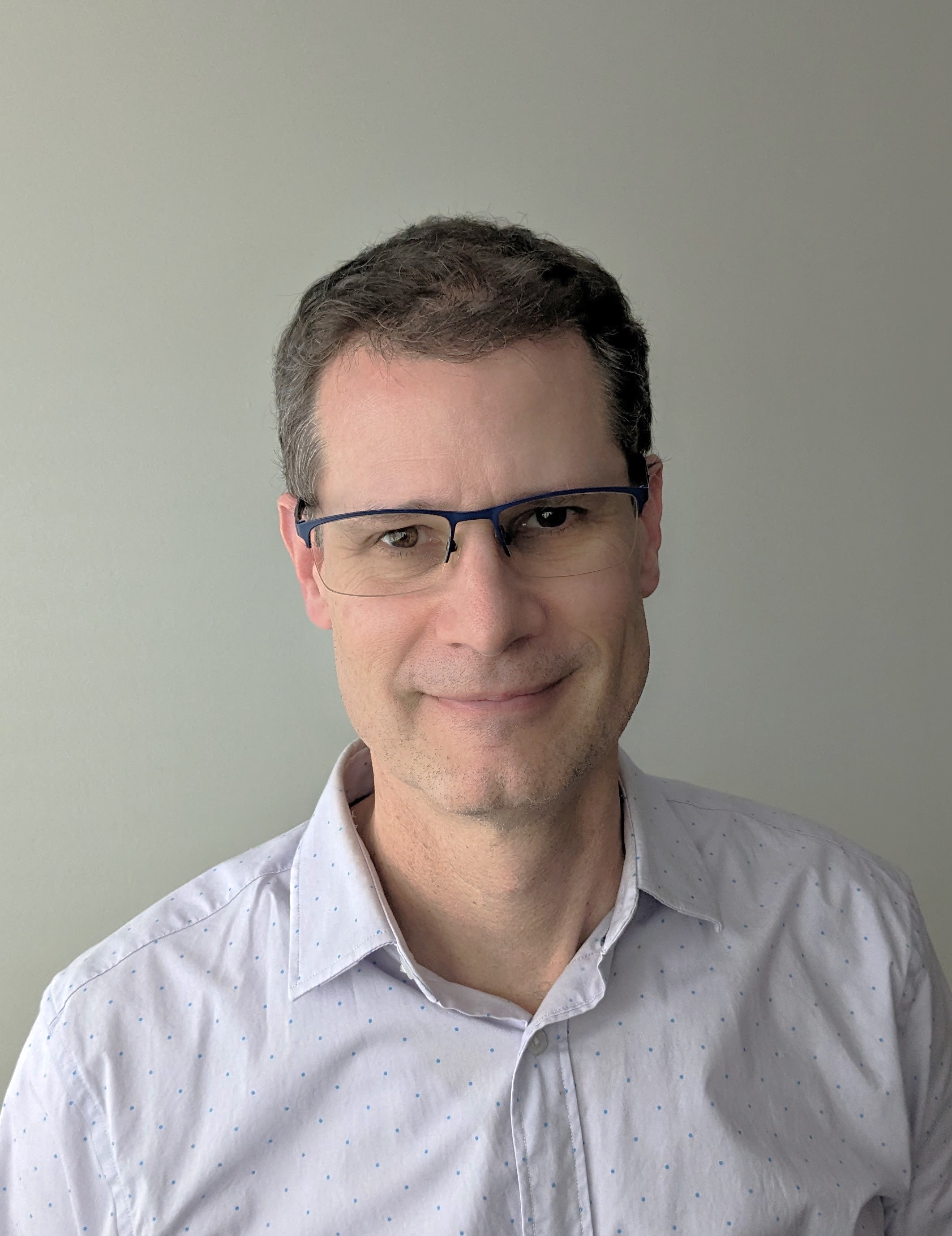
My research focuses on human perception and memory from a broad-based, computational perspective. To shed light on these basic cognitive processes, I find converging evidence from behavioral studies and neurophysiological measures in combination with neural network and Bayesian modeling. Ongoing research topics include recognition/recall memory, testing effects, metamemory, letter/word perception, face perception, semantics, and shifts of attention.
PSYC 2145 - Introductory Cognitive Psychology
Primary Instructor
-
Fall 2023
Introduces the study of human cognitive processes and covers perception, attention, memory, language, problem solving, reasoning, and decision making. Focuses on basic research and theory in cognitive psychology but also considers their implications for everyday applications such as effective learning and retention, multitasking, and eyewitness testimony.
PSYC 4165 - Psychology of Perception
Primary Instructor
-
Spring 2024 / Fall 2024 / Fall 2025
One lab, three lect. per week. Analyzes peripheral and central mechanisms involved in the transduction and interpretation of experience. Gives special attention to vision and audition; major theories in these areas are discussed in terms of research they have inspired.
PSYC 5665 - Perception and Attention Proseminar
Primary Instructor
-
Spring 2025
Required proseminar for students in the Cognitive Psychology Ph.D. program. Provides an introduction to current thinking about sensory and perceptual processing, object recognition and attention. Students will read peer-reviewed journal articles and make class presentations on appropriate topics, including methods of data collection and analysis. May be repeated up to 4 total credit hours.
PSYC 6605 - Cognitive Psychology Research Update
Primary Instructor
-
Fall 2025 / Spring 2026
Provides summaries of current research by graduate students and faculty members in the Cognitive Psychology program in the Department of Psychology and Neuroscience. Professional Development issues relevant to cognitive psychologists will also be discussed. Graduate students in all programs and advanced undergraduates welcome with instructor consent. May be repeated up to 12 total credit hours.