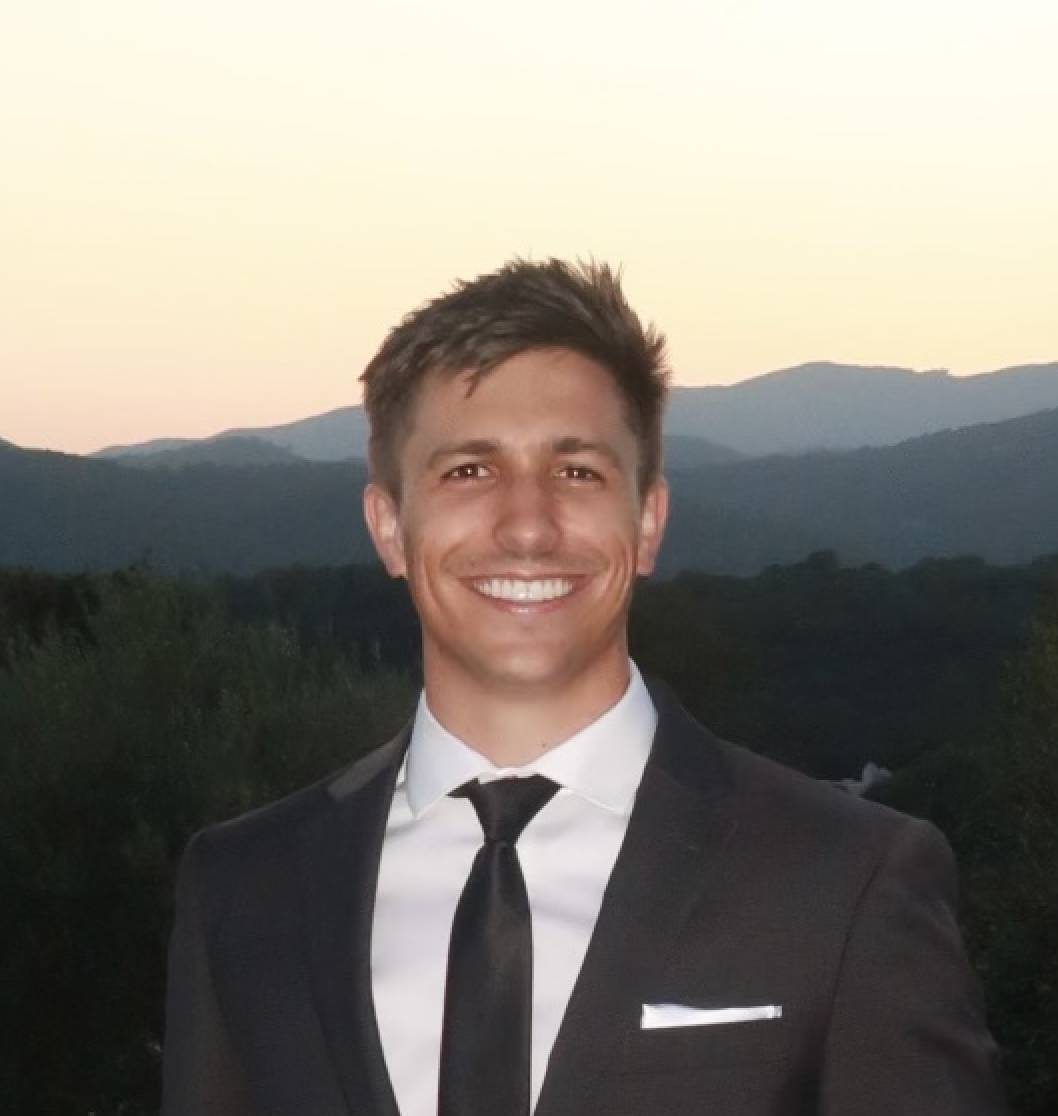
Warren Cook (he/him) is an Assistant Teaching Professor of Environmental Studies and a PhD Candidate of Communication (Rhetoric and Culture) in the College of Media, Communication, and Information at the University of Colorado Boulder. Warren’s research and teaching focuses on the rhetoric of environmental politics, especially water justice in the U.S. American West.
keywords
Environmental Communication, Environmental Justice, Rhetorical Theory and Criticism, Rhetoric and Composition, Science and Technology Studies, Native American and Indigenous Studies, Water Justice, Cultural Studies
COMM 2400 - Discourse, Culture and Identities
Primary Instructor
-
Summer 2024
Considers how communication is central to constructing who people are and examines social controversies related to talk and identities. Students learn to analyze and understand discourse, defined as everyday talk and conversation, through the practice of discourse analysis.
COMM 3300 - Rhetorical Thinking
Primary Instructor
-
Spring 2024
Reviews the classical tradition of rhetoric and its relevance to current events and public issues. Students learn how rhetorical perspectives help us create new ways of thinking, speaking, and acting through practicing creative message design.
COMM 3370 - Environmental Communication
Primary Instructor
-
Spring 2023
Introduces the growing field of environmental communication, including historical events, key concepts, legal landmarks, technological developments and public controversies at the intersection of the environment, economics and social justice. Focuses on persuasive communication in the public sphere, as well as the constitutive power of communication to name and redefine what has been and might become possible in our environmental imaginations.
COMM 3610 - Communication, Technology, and Society
Primary Instructor
-
Fall 2023
Examines how electronic media influence our communication in relationships and communities. Focuses on how we use technology to create shared meanings, express identities, and coordinate interaction, and why such efforts succeed and fail. Also focuses on political and ethical questions concerning the development of communication technology in a global society characterized by conflict and inequality. Recommended prerequisites: COMM 1210 and COMM 1600.
ENVS 3020 - Advanced Writing in Environmental Studies
Primary Instructor
-
Fall 2024 / Spring 2025 / Summer 2025 / Fall 2025 / Spring 2026
Offers training in critical thinking and analytical writing skills appropriate to upper-division classes. Writing assignments integrate the subject matter of different topical areas. Fulfills writing requirement for Environmental Studies major. Recommended prerequisite: ENVS 1000.
ENVS 3930 - Internship
Primary Instructor
-
Fall 2024 / Spring 2025 / Summer 2025 / Fall 2025 / Spring 2026
Relates classroom theory to practice. Provides academically supervised opportunities for environmental studies majors to work in public and private organizations on projects related to students' career goals. Fulfills application requirement in Environmental Studies major. May be repeated up to 6 total credit hours. Recommended prerequisite: ENVS 1000.