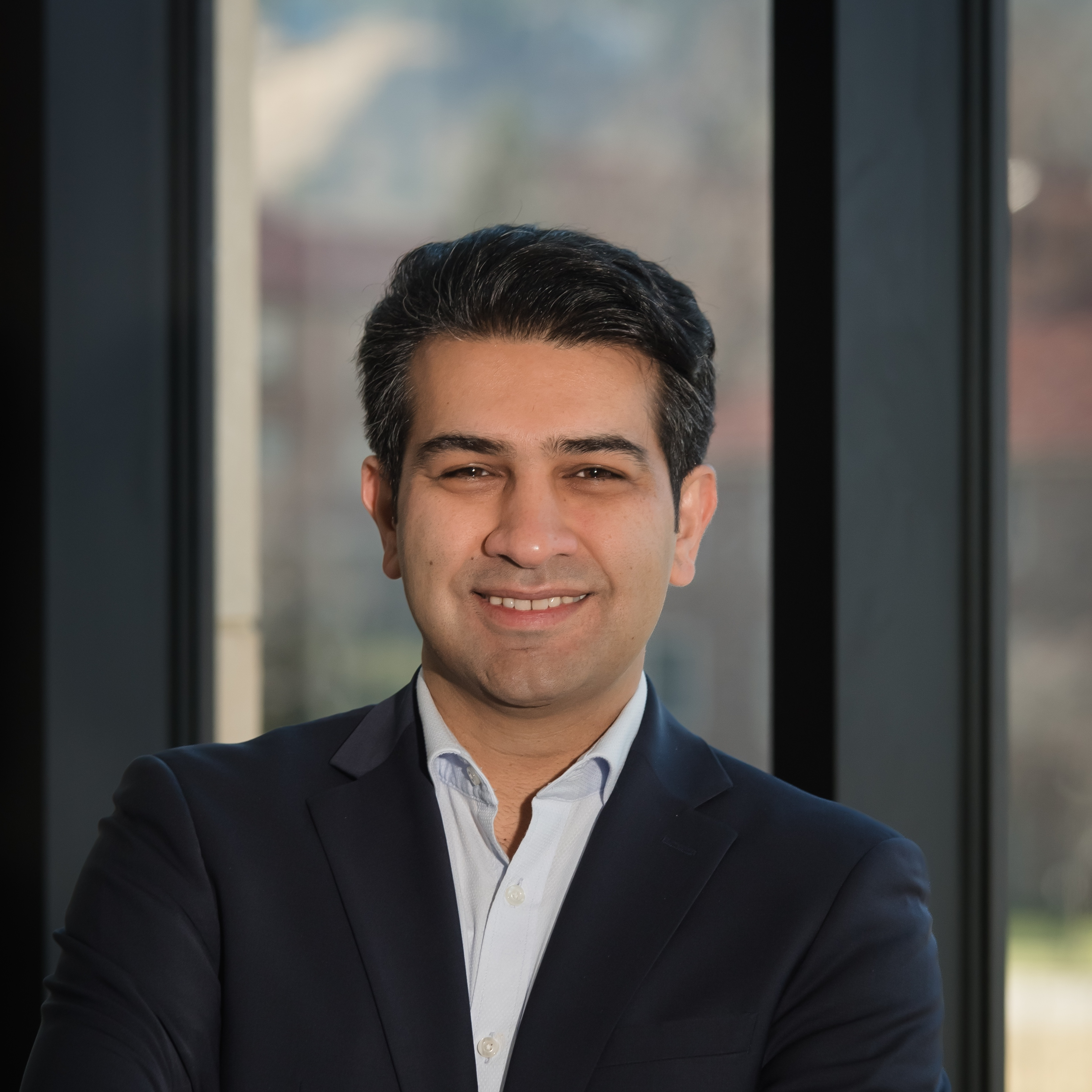
My research seeks to understand, through the lens of strategy and innovation, why a wide range of diseases still lack effective treatments. Motivated by this societal need, I examine the innovation process in life science firms: what enables it, what hinders it, and why it sometimes fails. Although innovation is a well-studied concept, the mechanisms through which novel ideas are sparked, developed, and ultimately transformed into marketable products and services remain only partially theorized and empirically mapped. My research advances our understanding of this important phenomenon by examining two interrelated factors that shape innovation: (1) knowledge recombination, that is the process by which innovators draw on discrete knowledge elements and reassemble them into novel configurations; and (2) intellectual property (IP) rights, which govern the use and accessibility of those knowledge elements while also serving as incentives for their initial creation. The puzzle arising from firms' desire to appropriate value from their innovations, through protective mechanisms such as IP, while simultaneously relying on access to knowledge elements often protected by the IP of others lies at the center of my research agenda. I am particularly interested in how different types of firms, ranging from entrepreneurial specialist ventures to large diversified incumbents, navigate this challenge and respond to it.
BCOR 2304 - Strategic and Entrepreneurial Thinking
Primary Instructor
-
Spring 2021 / Spring 2022
Provides students with a set of critical thinking skills and theoretical tools to enhance students' abilities at strategic and entrepreneurial thinking. We examine the following topics: (1) What is Strategy and Entrepreneurship, (2) External Analysis and Porter's 5 Forces, (3) Internal Analysis and the Resource Based View, (4) SWOT Analysis, (5) Differentiation, Cost Leadership, and Blue Ocean Strategy. Credit not granted for this course and BASE 2101.
BPOL 7530 - Doctoral Seminar: Special Topics in Innovation
Primary Instructor
-
Spring 2025
Focuses on the management of innovation and technology in organizations. The course provides an introduction to the theoretical foundations of, and contemporary empirical research in, this area. The examination of the literature is organized around several broad topics including the nature and timing of technological innovations, the manner in which technological innovations alter the competitive landscape, the links between organizational structure and innovation, the role of alliances and collaboration in supporting innovation activities, innovation, intellectual property and markets for technology, and issues of knowledge search and recombination. In addition to reviewing this broad literature, the course will also seek to identify gaps and promising areas for future research. May be repeated up to 6 total credit hours.
BPOL 7550 - Innovation II
Primary Instructor
-
Fall 2025
This 1.5 credit course in the sequence focuses on the management of innovation and technology in organizations. The course provides an introduction to the theoretical foundations of, and contemporary empirical research in, this area. The examination of the literature is organized around several broad topics. This course covers the role of collaboration in supporting innovation activities, intellectual property rights and markets for technology, issues of knowledge search and recombination, and the latest development in digital innovation and organizational forms. In addition to reviewing this broad literature, the course will also seek to identify gaps and promising areas for future research. May be repeated for up to 3 total credit hours.
ESBM 3700 - Entrepreneurial Environments
Primary Instructor
-
Fall 2022 / Fall 2023 / Fall 2024 / Fall 2025
Introduces entrepreneurship. Addresses opportunity recognition, target markets, industry analysis, business model identification, sources of funding, managing rapid growth and writing feasibility studies. Examines alternative forms of entrepreneurship such as franchising, corporate entrepreneurship, family business and social entrepreneurship.